
Home >

Biophilic Design in Commercial Remodeling

Biophilic Design in Commercial Remodeling

How to Incorporate Biophilic Design Elements in Your Commercial Remodeling Projects
Elena Vasquez | 2025-11-16

Consider this: workspaces infused with nature can elevate not just aesthetics but also employee well-being and productivity. If you're in the realm of commercial remodeling, understanding biophilic design is essential for creating inspiring environments.

What You Will Learn

  • Biophilic design enhances employee satisfaction by integrating natural elements into the workspace.
  • Maximizing natural light not only improves ambiance but also reduces reliance on artificial lighting.
  • Incorporating greenery can lead to better air quality and a calming atmosphere.
  • Establishing maintenance protocols ensures that biophilic elements remain vibrant and functional over time.
  • Tracking ROI is crucial to understand the long-term benefits and savings associated with biophilic design.

The Pillars of Biophilic Design in Commercial Spaces

This visual outlines the key principles, integration methods, and long-term considerations for implementing biophilic design.

Key Principles of Biophilic Design

  • Natural Light: Maximizes daylight, reduces artificial lighting.
  • Green Spaces: Integrates plants and natural materials.
  • Air Quality: Improves indoor air with ventilation and plants.

Strategic investments for employee well-being.

Nature Integration Methods

  • Large Windows: Floor-to-ceiling views, natural light.
  • Outdoor Workspaces: Patios or balconies for refreshing environments.
  • Nature-Inspired Elements: Mimics natural world with colors, textures, materials.

Blurs lines between indoor and outdoor.

Long-Term Maintenance Protocols

  • Plant Health: Monthly assessments, specialist upkeep.
  • Water Features: Regular cleaning, filter checks.
  • Natural Materials: Inspect for wear, prompt repairs.

Ensures sustained aesthetic and functional value.

ROI & Energy Efficiency

  • Cost Analysis: Track installation, maintenance, and savings.
  • Productivity & Turnover: Analyze before/after implementation.
  • Energy Savings: Compare utility bills, strategic plant use.

Proactive approach for informed decisions.

Understanding Biophilic Design in Commercial Spaces

As a commercial remodeling consultant at Premier Commercial Remodeling Solutions, I’m always intrigued by the concept of biophilic design. But what exactly is it? Biophilic design is an approach that seeks to connect our modern workspaces with nature, emphasizing the importance of natural elements in our environments. This design philosophy not only enhances aesthetic appeal but also addresses the well-being and productivity of employees.
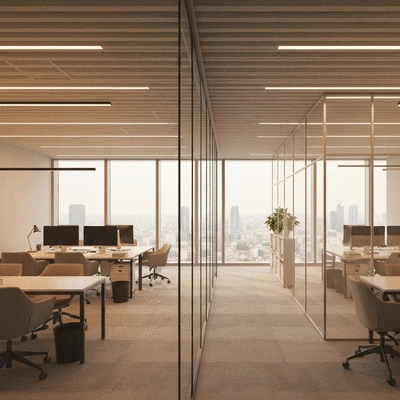
Modern office space with large windows, abundant natural light, and strategically placed indoor plants creating a biophilic environment.

In today's fast-paced world, workplaces can often feel disconnected from nature. By incorporating biophilic elements, businesses can create spaces that foster inspiration and motivation. It’s about more than just looks; it’s about creating an atmosphere that encourages collaboration and reduces stress levels among team members. Are you ready to explore the benefits of this transformative design approach?

What is Biophilic Design and Why It Matters

In essence, biophilic design integrates natural elements into the built environment, striving to replicate the beauty and tranquility of the outdoors. It matters because human beings are inherently drawn to nature. Research shows that environments incorporating natural elements can lead to better mental health and increased productivity.

  • Connection to Nature: Enhancing the workplace with natural elements can improve employee satisfaction.
  • Productivity Boost: Natural light and greenery can lead to higher levels of focus and efficiency.
  • Health Benefits: Biophilic design can reduce stress and improve overall well-being.

By understanding the significance of biophilic design, we can create spaces that not only look good but also feel good. Are you ready to enhance your workspace and improve employee morale?

Key Principles of Biophilic Design for Office Environments

Implementing biophilic design in office settings involves adhering to several key principles that elevate both functionality and aesthetics. Here are some essential aspects to consider:

  • Natural Light: Maximizing daylight reduces reliance on artificial lighting and promotes a healthier atmosphere.
  • Green Spaces: Integrating plants and natural materials fosters a sense of calm and connection.
  • Air Quality: Incorporating ventilation and plant life can improve indoor air quality significantly.

These principles are not just aesthetic choices; they are strategic investments in your business's future. When employees feel better in their environment, they perform better too!

Exploring Nature Integration: Connecting Workspaces with the Outdoors

One of the most effective ways to embrace biophilic design is by blurring the lines between indoor and outdoor spaces. This can be achieved through various design strategies, such as:

  • Large Windows: Floor-to-ceiling windows can bring the outside in, providing stunning views and natural light.
  • Outdoor Workspaces: Creating patios or balconies allows employees to work in a refreshing environment.
  • Nature-Inspired Elements: Using colors, textures, and materials that mimic the natural world adds a fresh vibe to interiors.

Connecting your workspace with the outdoors not only enhances aesthetic appeal but also promotes a positive workplace culture. So, why not consider these elements when planning your next remodeling project?

We Want to Hear From You!

What biophilic design element are you most interested in incorporating into your workspace? Share your thoughts below:

Long-Term Considerations: Maintenance and Lifecycle of Biophilic Designs

When integrating biophilic design into your commercial space, it’s crucial to consider the long-term maintenance and lifecycle of these natural elements. Just like any other aspect of your office design, plants and natural features require care to thrive. Implementing a structured maintenance plan will ensure that these elements continue to enhance your workspace and remain visually appealing.
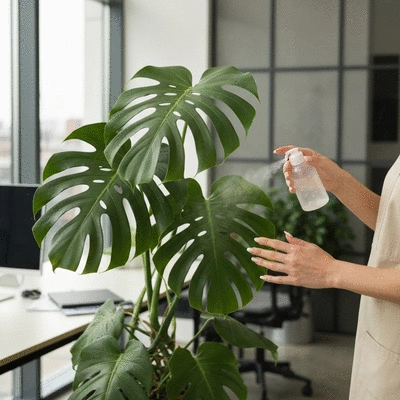
Close-up of a healthy indoor plant in a modern office, with a person gently misting its leaves, highlighting maintenance.

Maintenance doesn’t have to be overwhelming. Regular tasks can include checking on plant health, ensuring water features are clean, and evaluating the overall functionality of natural materials. By setting clear maintenance protocols, you can help preserve the integrity and beauty of your biophilic design.

Establishing Maintenance Protocols for Green Elements

  • Schedule monthly plant health assessments to detect issues early.
  • Train staff or hire specialists for regular upkeep of living walls and indoor plants.
  • Maintain water features by cleaning filters and checking water levels regularly.
  • Inspect natural materials for signs of wear and tear, addressing repairs promptly.

Establishing these protocols not only keeps your space looking great but also maximizes the benefits of biophilic design. In my experience at Premier Commercial Remodeling Solutions, clients often find that a little bit of care goes a long way in maintaining the aesthetic and functional value of their spaces.

Tracking ROI: Budgeting and Cost Analysis Over Time

To truly appreciate the value of your investment in biophilic design, it's essential to track your return on investment (ROI) over time. This includes not just the initial costs but also ongoing expenses and savings. For instance, biophilic features can lead to reduced operational costs through energy savings and improved employee productivity.

  • Document initial installation costs and any subsequent maintenance expenses.
  • Analyze employee turnover rates and productivity levels before and after implementation.
  • Compare utility bills pre- and post-installation to determine energy savings.

By maintaining a detailed budget and performing regular assessments, you can clearly see how biophilic design contributes to your bottom line. This proactive approach will help you justify future investments and make more informed decisions regarding your commercial space.

Ensuring Energy Efficiency in Biophilic Design Spaces

Energy efficiency is a key component of sustainable design, and it plays a vital role in biophilic environments. By integrating natural elements, you can enhance energy efficiency, which not only benefits the environment but also lowers operating costs for your business. Simple actions can lead to significant energy savings over time.

For example, using plants strategically can help regulate indoor temperatures and improve air quality. According to studies, indoor plants can lower ambient temperature and reduce the need for heating or cooling. As someone who loves to create functional office spaces, I recommend considering energy efficiency as a priority in your remodeling projects.

Frequently Asked Questions about Biophilic Design

  • What is biophilic design? Biophilic design is an approach that integrates natural elements into modern workspaces to enhance aesthetics, employee well-being, and productivity by connecting people with nature.
  • Why is biophilic design important for commercial spaces? It matters because humans are inherently drawn to nature, and research shows that natural elements can improve mental health, increase productivity, reduce stress, and foster inspiration and motivation in the workplace.
  • What are the key principles of biophilic design in offices? The key principles include maximizing natural light, integrating green spaces (plants and natural materials), and improving indoor air quality through ventilation and plant life.
  • How can outdoor elements be integrated into workspaces? This can be achieved through large windows offering views, creating outdoor workspaces like patios or balconies, and using nature-inspired elements such as colors, textures, and materials that mimic the natural world.
  • What are the long-term maintenance considerations for biophilic designs? Long-term considerations involve establishing structured maintenance protocols for green elements, such as monthly plant health assessments, regular cleaning of water features, and timely repairs of natural materials to preserve aesthetic and functional value.
  • How can I track the ROI of biophilic design? Tracking ROI involves documenting initial installation and ongoing maintenance costs, analyzing changes in employee turnover and productivity, and comparing utility bills before and after implementation to assess energy savings and overall financial benefits.

Recap of Key Points

Here is a quick recap of the important points discussed in the article:

  • Biophilic Design: Integrates natural elements into workspaces, enhancing employee well-being and productivity.
  • Key Principles: Focus on natural light, greenery, and air quality to create a healthier office environment.
  • Nature Integration: Use large windows, outdoor workspaces, and nature-inspired designs to connect indoor and outdoor spaces.
  • Long-Term Maintenance: Establish structured maintenance protocols for plants and natural elements to preserve aesthetics and functionality.
  • Track ROI: Monitor costs and productivity to assess the financial benefits of biophilic design.
  • Energy Efficiency: Enhance energy savings through strategic use of natural elements in the design.
Subscribe & Share

About Premier Commercial Remodeling Solutions

We transform business environments into functional, attractive, and efficient spaces. Our expert insights and innovative designs empower businesses to thrive and enhance property value.