Emotional Influence
😊
Colors evoke specific feelings tied to memories and cultural interpretations.
*Moods & Behaviors*

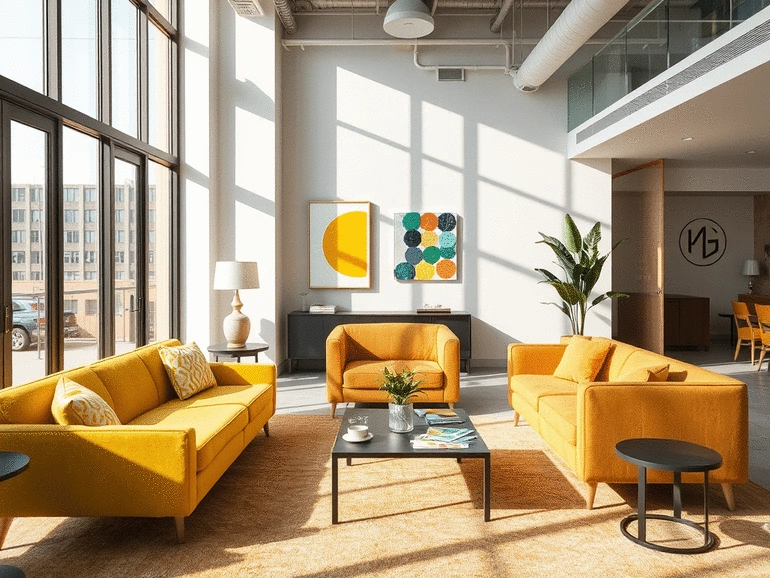
Color plays a pivotal role in shaping the atmosphere of any commercial space. By understanding the psychological impacts of colors, you can strategically design environments that not only attract customers but also enhance employee productivity. How might your business transform by implementing the right color choices?
Colors significantly influence emotions and behavior, impacting customer perceptions and employee productivity. The visual below highlights how specific colors affect the mood and functionality of commercial environments.
Colors evoke specific feelings tied to memories and cultural interpretations.
*Moods & Behaviors*
Consistent use of colors strengthens brand identity and recognition.
*Identity & Recognition*
The right colors can draw customers in and encourage them to stay longer.
*Attraction & Retention*
Strategic color choices can foster creativity and focus in office environments.
*Focus & Creativity*
As a commercial remodeling consultant, I've seen firsthand how the right colors transform spaces and influence the overall ambiance of businesses. Color psychology is the study of how colors affect emotions and behaviors, making it a crucial element in interior design. When we consider how colors can impact customer perceptions and employee productivity, it becomes clear that choosing the right palette is not just an aesthetic choice but a strategic decision for success.
Understanding color psychology helps us create environments that resonate with our audience. For instance, warm colors like red and yellow can evoke feelings of excitement and energy, while cool colors like blue and green often promote calmness and focus. This knowledge allows us to design spaces that align with the goals of your business, whether it’s driving sales in a retail environment or fostering creativity in an office.
Color psychology is about more than just aesthetics; it’s about understanding the emotional responses triggered by different hues. When you walk into a space, the colors around you can influence your mood and behavior without you even realizing it. For businesses, this means that color choice can significantly affect customer experience and employee satisfaction.
At Premier Commercial Remodeling Solutions, we use principles of color psychology to guide our clients in selecting the most impactful palettes for their spaces. By understanding the psychology behind colors, we can help you create an environment that enhances both the customer journey and employee well-being.
Colors possess the unique ability to evoke emotions and influence behavior. For instance, studies have shown that the color blue can create a sense of trust and reliability, making it a favorite choice for corporate offices. On the other hand, warm colors like orange can stimulate enthusiasm and creativity, ideal for spaces meant to inspire innovation.
Understanding these emotional triggers allows us to create spaces that not only look good but also feel good. By designing with intention, we aim to enhance productivity, encourage interaction, and ultimately drive the success of your business.
It’s fascinating how subtle shifts in color can lead to significant variations in emotional responses. For example, a study I came across found that individuals in a blue room reported feeling more productive and calm compared to those in a red room, who experienced heightened levels of anxiety. This shows that the choice of color in your commercial space can have profound effects on how employees perform and how customers perceive your brand.
When we approach a remodeling project, we take into consideration the emotional impact of each color choice we recommend. Here are a few psychological effects of common colors:
At Premier Commercial Remodeling Solutions, we believe that informed color selection is key to crafting environments that inspire and engage. By understanding the psychology behind color choices, we can help you create a space that not only looks appealing but also fosters the right emotional responses.
How do you feel color has impacted your work environment or customer experience? Share your thoughts below:
As we wrap up our discussion on color psychology, it’s essential to recognize how critical it is for enhancing your business's success. The right color can not only define your brand but also influence your customers' emotions and behaviors. This is why integrating color strategies into your commercial space is not just an aesthetic choice; it's a strategic move that can lead to increased customer engagement and sales!
Here are some key takeaways on how to effectively utilize color in your brand identity development:
Implementing these strategies can significantly enhance how customers perceive your brand. Remember, your colors are more than just visuals; they’re an integral part of the story you tell through your space.
Are you ready to transform your commercial space with the power of color? At Premier Commercial Remodeling Solutions, I believe that every detail matters! I encourage you to take the first step by assessing your current color palette and considering how it aligns with your brand identity. Whether you're looking to revamp an entire office or make small tweaks to your retail space, let’s explore the potential of color together.
Don't wait for the perfect moment—start implementing these color strategies today! Reach out to me, Elena Vasquez, for expert insights and personalized guidance tailored to your unique business needs. Together, we can create an environment that not only looks great but also resonates deeply with your customers. Let’s bring your vision to life!
Here is a quick recap of the important points discussed in the article: