Critical Influences Key Design Factors for Performance
- ✓ Comfortable Environments
- ✓ Collaborative Spaces
- ✓ Personalized Spaces

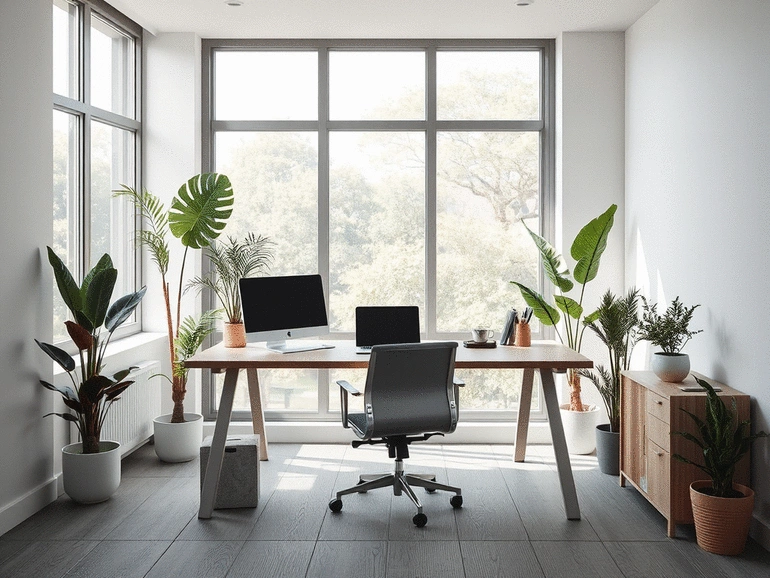
In a world where the workspace heavily influences employee productivity and satisfaction, how can thoughtful design make a difference? Understanding the intricate relationship between office layout and employee well-being is key to creating an environment that fosters innovation and collaboration.
Thoughtful office design plays a crucial role in enhancing employee satisfaction, productivity, and overall business outcomes. This visual highlights key design aspects and their benefits.
As a seasoned commercial remodeling consultant, I've seen firsthand how office design can dramatically influence employee performance. A well-designed workspace isn't just about aesthetics; it plays a crucial role in enhancing productivity and promoting employee well-being. When businesses invest in thoughtful design, they create environments that inspire creativity and encourage collaboration. Are you ready to explore how these changes can transform your workspace?
In today’s competitive landscape, understanding the connection between a well-designed office and employee satisfaction is key. Research continues to show that when employees feel comfortable in their work environment, they tend to be more engaged and motivated. Let’s delve deeper into how office design directly impacts employee performance.
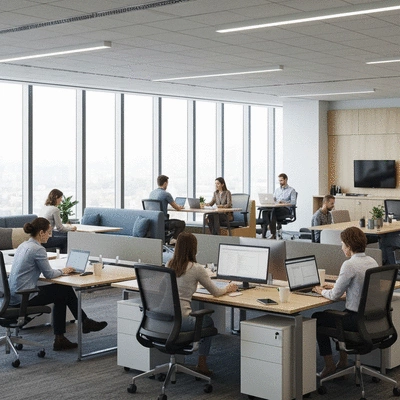
Office design can significantly affect not just how employees work, but also how they feel about their jobs. Here are some critical factors to consider:
By recognizing these connections, business owners can create spaces that not only look good but also feel good. A well-planned office layout can lead to happier employees and lower turnover rates. It’s a win-win!
As businesses continue to adapt to changing work styles, modern office design trends are emerging. Some of the most impactful trends, which are shaping the future of workspace design, include:
These trends reflect a growing understanding that the physical workplace plays a significant role in employee satisfaction. Businesses like Premier Commercial Remodeling Solutions have embraced these trends, helping clients to create environments that inspire productivity and creativity. The future of work is influencing workplace design, emphasizing adaptable and employee-centric spaces.
The layout of your office can either foster or hinder engagement. It’s essential to consider how space is utilized:
By balancing open and quiet spaces, businesses can cater to various work styles while promoting engagement. Remember, the goal is to create an environment where every employee can thrive. Are you ready to rethink your office layout?
How does your current office design impact your productivity? Share your thoughts below:
When we talk about thoughtful office design, we are diving into how strategic choices can profoundly impact both employee well-being and overall business outcomes. Well-designed spaces not only make a statement about your brand but also create environments that foster productivity. As a commercial remodeling consultant with over a decade of experience, I've seen firsthand how the right design can elevate employee morale and boost performance.
To put it simply, an effective office design can lead to:
By investing in a workspace that prioritizes comfort and functionality, businesses can create a culture of wellness that resonates throughout the organization. I encourage you to consider how your current setup contributes (or detracts) from your team’s productivity.
Strategic design choices extend beyond aesthetics; they directly influence employee well-being and can significantly improve business outcomes. When you create spaces that foster collaboration, encourage movement, and provide comfort, you’re not just enhancing the office's look—you're investing in your team’s potential!
Some key areas to focus on include:
These thoughtful changes can lead to lower turnover rates and higher productivity, ultimately benefiting your bottom line!
At Premier Commercial Remodeling Solutions, we believe that a culture of wellness starts with the environment. It's essential to design spaces that promote both physical health and mental well-being. This not only helps employees thrive but also creates an atmosphere where they feel valued and engaged.
To encourage this culture, consider implementing:
By putting wellness at the forefront of your design strategy, you nurture an engaged workforce ready to contribute to your company's success.
A well-planned office can play a crucial role in enhancing work-life balance. When employees feel like their workspace supports their needs, they’re more likely to maintain a healthy balance between their professional and personal lives. This is something I’ve always emphasized in my projects!
Here are some strategic planning ideas to enhance that balance:
By prioritizing thoughtful space planning, your office can become a sanctuary that promotes both productivity and peace of mind for employees.
Now that we’ve discussed the benefits of thoughtful office design, it's time to take action! Implementing effective design ideas requires careful planning and execution, but the rewards are well worth the effort.
The first step in any remodeling project is assessing your current workspace. Take a close look around—what works well, and what doesn’t? I find that involving employees in this assessment can provide valuable insights.
By gathering this information, you’ll have a clearer picture of the necessary changes that can make a tangible difference.
Once you have assessed your workspace, it’s time to gather resources and tools that can help bring your vision to life. There are plenty of options available to assist you in the redesign process!
These resources can streamline your project and ensure you are making informed decisions every step of the way.
Lastly, it's essential to consider how remote work solutions fit into your overall office design strategy. Many businesses are embracing hybrid models, so your space should be adaptable to accommodate both in-office and remote work. The 2024-2025 global workplace and occupancy insights highlight the growing importance of flexible work arrangements.
By incorporating these solutions into your design, you ensure your office remains relevant and effective in today’s changing work landscape. The goal is to create a harmonious blend of physical and remote work that supports your team’s diverse needs.
A well-designed office significantly enhances productivity by providing comfortable, ergonomic environments, facilitating collaboration through open spaces, and offering quiet zones for focused work. These elements reduce distractions, improve comfort, and foster a positive work atmosphere.
Modern office design trends focus on flexibility, well-being, and technology. Key trends include flexible workspaces that adapt to various work styles, biophilic design (integrating natural elements), and smart technology integration to streamline processes and enhance efficiency.
Office layout can boost engagement by balancing open areas for spontaneous interactions and teamwork with designated quiet zones for concentration. Breakout areas for relaxation also contribute to rejuvenating employees, catering to diverse work styles and needs.
Thoughtful office design leads to increased employee satisfaction and retention, enhanced collaboration, improved focus and creativity, and lower stress levels. These benefits collectively contribute to better overall business outcomes and a stronger company culture.
To assess a current workspace, businesses should conduct employee surveys to gather feedback, identify pain points hindering productivity, evaluate the overall flow of the space, and assess lighting and acoustics. Involving employees in this process provides valuable insights for necessary changes.
Here is a quick recap of the important points discussed in the article: