Flexible Workspace Design Elements
- •Modular Furniture
- •Adaptable Layouts
- •Tech Integration

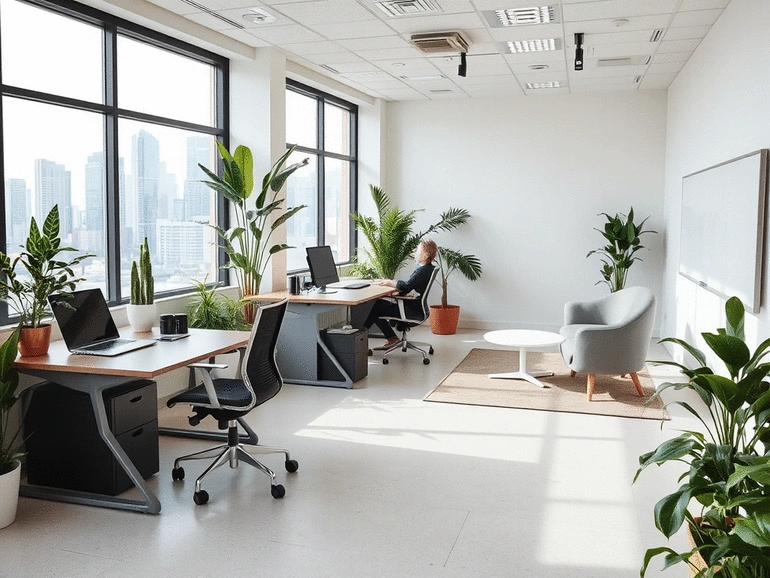
What if your workspace could adapt to the ever-changing needs of your team? As we advance into the future of work, the hybrid office model is reshaping how businesses operate. Discover the key insights that can redefine your work environment.
Understanding what makes a flexible workspace effective and how architectural trends influence future designs.
As we look towards the future, the evolution of hybrid workspaces has become pivotal for modern businesses. At Premier Commercial Remodeling Solutions, I've seen firsthand how the desire for flexibility shapes the design of work environments. The hybrid office model not only accommodates varying work styles but also fosters collaboration and productivity. A recent study by the National Capital Planning Commission (NCPC) on workplace scenario planning highlights the growing importance of flexible office designs in adapting to future work trends.
The significance of hybrid workspaces lies in their ability to adapt to the changing needs of both employees and employers. Businesses are seeking innovative solutions that allow them to maximize efficiency while providing a comfortable and inspiring atmosphere. Are you ready to embrace the future of workspaces?
The hybrid office model blends traditional office spaces with remote work capabilities, catering to diverse employee preferences. This approach allows teams to collaborate more effectively, whether they are in the office or working from home. Insights from the Office of Personnel Management's 2023 Report to Congress on Telework further underscore the widespread adoption and benefits of flexible work arrangements.
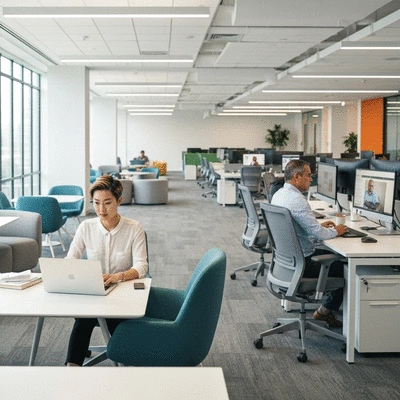
By understanding the hybrid office model, business owners can create environments that not only meet current demands but also anticipate future trends. This adaptability will be key in retaining talent and fostering a productive workforce.
To truly capitalize on the benefits of a hybrid workspace, it's essential to focus on flexible workspace design. This includes using modular furniture and adaptable layouts that can evolve as your business needs change.
These elements work together to create a dynamic environment that encourages productivity and collaboration. By investing in flexible design, businesses can enhance employee satisfaction and overall performance.
One of the most impactful changes in workspace design is the incorporation of ergonomic furniture. This type of furniture is designed to support the body, reduce strain, and promote comfort while working.
At Premier Commercial Remodeling Solutions, I always recommend investing in ergonomic furniture as it directly contributes to a healthier and more productive workforce. The benefits are clear—when employees feel good, they perform better!
In the realm of hybrid offices, space and functionality go hand-in-hand. By maximizing both, businesses can create environments that are not only visually appealing but also highly efficient.
As you consider your office design, think about how these principles can shape your space. Are you ready to maximize your hybrid office's potential?
To enhance the adaptability of your hybrid workspace, consider investing in smart technology. Smart systems can automate lighting, temperature control, and even workspace booking, allowing your office to be more responsive to the needs of your employees. This integration not only boosts efficiency but also creates a more comfortable work environment that can easily adjust to varying demands.
As we look toward the future, the design of hybrid workspaces is set to evolve significantly, especially beyond 2025. I believe it's crucial for businesses to stay ahead of the curve by understanding upcoming regulations, technological advancements, and design trends that will shape our work environments. These changes are not just about aesthetics; they will enhance functionality and employee experience. The General Services Administration (GSA) has evaluated hybrid work patterns among its employees, providing valuable insights into how large organizations are adapting and what trends may become standard.
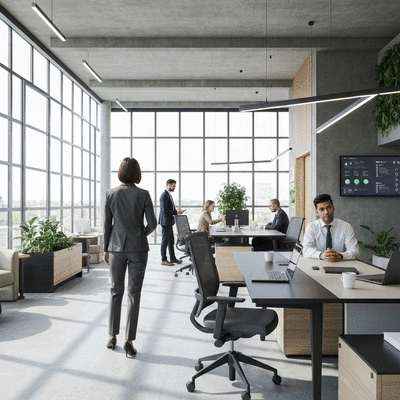
Anticipated shifts include a greater emphasis on sustainability, more flexible design elements, and the integration of smart technologies. These innovations will cater to the needs of employees who expect functionality and comfort in their workspaces.
Current architectural trends are redefining how we view office space, particularly in hybrid setups. One major trend is the move towards open, adaptable layouts that foster collaboration while still providing quiet areas for focused work. Architectural elements like glass walls and natural light are increasingly incorporated to create an inviting atmosphere.
As a consultant with over a decade of experience, I've seen how these architectural trends can lead to spaces that not only look great but also enhance employee productivity and wellness.
Considering the changes on the horizon, it’s vital for businesses to assess their unique needs when it comes to workspace design. At Premier Commercial Remodeling Solutions, we understand that every business is different, and we are here to help you navigate your flexible workspace design journey. Whether you're exploring new trends or looking for tailored solutions, I encourage you to reach out for expert consultations or design assistance.
Your workspace should not only reflect your brand but also support the evolving needs of your employees. Together, we can create an environment that is both functional and inspiring! Are you ready to take the next step in transforming your workspace?
Here is a quick recap of the important points discussed in the article: