Investment & Consumer Shifts
Why Invest in Design?
- ✔ Boosts Customer Experience
- ✔ Enhances Brand Image
- ✔ Increases Efficiency
Evolving Consumer Behaviors
- ✦ Experiential Shopping
- ✦ Eco-Friendly Options
- ✦ Technology Integration

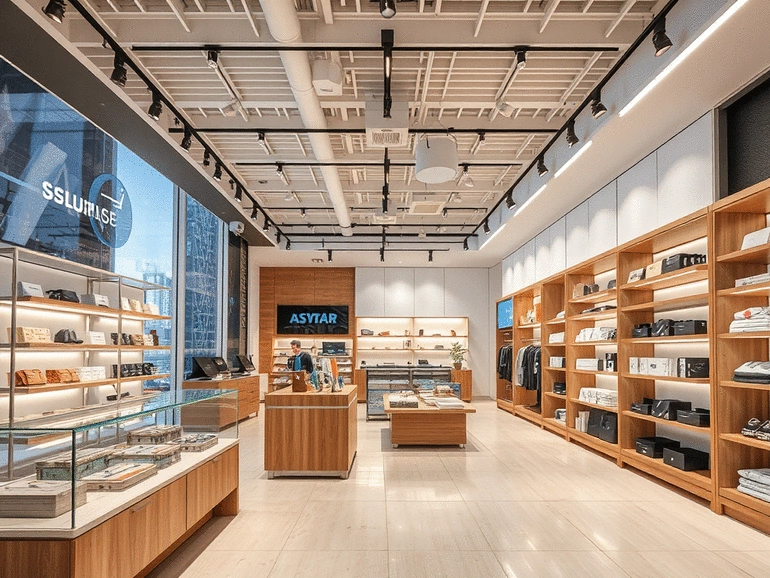
As we approach 2025, a vibrant and strategically designed retail environment becomes a necessity for businesses aiming to thrive. With changing consumer behaviors and an emphasis on sustainability, understanding the right design elements can set your retail space apart. Here are the essential lessons to ensure your retail build-out is both effective and attractive.
This visual summarizes key trends and strategic considerations for successful retail build-outs in 2025, focusing on investment, evolving consumer behaviors, and sustainability.
As we look ahead to 2025, it's crucial for business owners to understand the evolving landscape of retail build-outs. Investing in retail design has never been more important, as it can directly affect customer engagement and brand perception. At Premier Commercial Remodeling Solutions, we believe that creating an inviting and functional retail space is key to attracting and retaining customers.
In a competitive market, a well-designed retail space can set you apart. It not only enhances the shopping experience but also reflects your brand's identity. As a commercial remodeling consultant, I've seen firsthand how thoughtful design can transform a space into a thriving hub of activity!
When considering a retail build-out, the design should be your top priority. Investing in your retail space is investing in your business's future. Here are some reasons why:
By prioritizing these elements, you can create a retail environment that not only appeals to your customers but also supports your business goals.
Today's consumers are more discerning than ever, and their preferences are continuously evolving. Understanding these shifts can help you tailor your retail build-out to meet their needs. For example, many shoppers are now looking for:
As we enter 2025, recognizing and adapting to these trends will be vital for retailers aiming to stay relevant and competitive. For more insights into future retail trends, you can explore reports like Deloitte's Q3 2025 Retail & Consumer Trends and PMG's 2025 Retail Outlook.
The future of retail is undeniably focused on sustainability and innovation. Here are some key trends we anticipate, including those highlighted in Coresight Research's "Retail 2025: 10 Trends in Retail Technology":
At Premier Commercial Remodeling Solutions, we are excited about these trends and the opportunities they present for business owners. By embracing sustainability and innovation, you can create a retail space that resonates with your customers while also contributing positively to the environment.
As we delve into the complexities of retail build-outs, we want to know your thoughts! What aspect of retail design do you believe will have the most significant impact on customer engagement in the coming years? Share your insights below:
Once your retail build-out is complete, the real work begins! At Premier Commercial Remodeling Solutions, we believe that measuring success is crucial to understanding how your investment impacts customer experience and overall business performance. One effective way to do this is by tracking customer behavior and engagement metrics through retail analytics.
By collecting data on foot traffic, sales conversions, and customer interactions, you can gain valuable insights into what’s working and what may need adjustment. Implementing analytics tools allows you to analyze this data effectively, thereby enhancing your decision-making process and ensuring your store resonates with its target audience.
Understanding how customers engage with your space is key to improving their experience. Here are some essential metrics to track:
By evaluating these metrics regularly, you can identify trends and make informed adjustments to your layout or offerings. For instance, if you notice that a particular section of your store has high foot traffic but low sales, it might be worth reassessing the product placement or enhancing the display in that area.
At Premier Commercial Remodeling Solutions, we recognize that transformation is a journey, not a destination. Therefore, establishing a robust feedback system is vital for continuous improvement. Utilize tools like customer surveys and digital comment boxes to gather insights directly from shoppers.
Iterate on your design based on this feedback. Whether it’s making small adjustments or planning larger renovations, being responsive to customer needs will ensure that your retail space remains dynamic and appealing.
As we look ahead to future retail build-outs, it's essential to apply the lessons learned from current projects. Understanding that each retail segment has unique challenges can help tailor strategies that cater to specific needs while promoting sustainability. Below are some insights I’ve gathered through my experience:
Different retail categories often require distinct approaches. For instance, a clothing store may benefit from a layout that emphasizes fitting rooms and displays, while a grocery store might focus on ease of navigation and quick checkout processes. Tailoring your design to fit your specific segment can enhance customer satisfaction and operational efficiency.
Choosing the right vendors is crucial for ensuring quality and sustainability in your build-out. Establishing partnerships with suppliers who prioritize eco-friendly materials can not only improve your store's footprint but can also resonate positively with customers. Here’s what to consider when selecting vendors:
By focusing on these strategies, your retail build-out can become a model of sustainability and efficiency.
Investing in retail design is crucial because it directly boosts customer satisfaction, increases foot traffic, enhances brand image, improves operational efficiency, and can even elevate employee morale. A well-designed space sets a business apart in a competitive market.
Consumers are increasingly seeking experiential shopping, eco-friendly options, and technology integration. Retail build-outs must adapt by creating unique experiences, incorporating sustainable materials, and integrating tech-driven solutions like smart mirrors and mobile payments to meet these evolving preferences.
The key retail trends for 2025 include a strong focus on sustainable materials, energy efficiency in operations, and innovative, flexible layouts. These trends aim to minimize environmental impact, reduce costs, and allow retailers to adapt quickly to market changes.
Retailers can measure success by tracking customer behavior and engagement metrics using retail analytics. This includes monitoring foot traffic patterns, average dwell time in different areas, sales conversion rates for promotions, and gathering customer feedback and satisfaction scores.
Continuous improvement is vital because consumer preferences and market demands are constantly changing. It can be achieved by establishing robust feedback systems, such as customer surveys and digital comment boxes, regularly reviewing feedback, engaging with customers on social media, and holding focus groups to inform design iterations.
With the retail landscape evolving rapidly, it’s imperative to stay ahead of trends. At Premier Commercial Remodeling Solutions, we encourage you to embrace innovative design and technology to gain a competitive edge in omnichannel retailing. Future-proofing your space isn’t just about aesthetics; it’s about creating an environment that fosters connection and engagement with customers.
Finally, always welcome feedback and foster continuous engagement. By providing resources for ongoing growth, you’re not just preparing your retail space for today but also setting the foundation for success in the future!
Here is a quick recap of the important points discussed in the article: